
Legislative and Policy Action
Noxious weed and invasive species prevention and management is a non-partisan issue that impacts all Colorado residents and visitors: agriculture, conservation, environmental protection, forestry, natural resources, outdoor recreation, tourism, water, etc. are all impacted by invasive species.
Learn about CWMA’s efforts and stay informed about statewide legislative concerns that affect the weed management industry!
Legislative and Advocacy
CWMA Legislative Update and Call to Action
Colorado’s 2026 legislative session is moving quickly, and several bills now under consideration could directly impact weed management, pesticide access, pollinator habitat, and the day‑to‑day work of land stewards across the state. These proposals range from strengthening forest‑health collaboration to restricting critical management tools — and your voice can make a real difference in how these policies take shape.
Already this session, an important win was secured: SB26‑065 was postponed indefinitely, preventing new restrictions on systemic insecticides that would have limited essential management tools. This outcome shows what happens when informed professionals speak up — legislators hear firsthand how these decisions affect Colorado’s lands, agriculture, and natural‑resource programs, and they respond.
CWMA Bill Positions & Updates
STRONG SUPPORT
HB26‑1111 – Pesticide Product Disposal & Container Recycling
What the bill does: Creates a statewide enterprise and program to manage safe pesticide product disposal and container recycling, including disposal events, education, and standardized end‑of‑life handling for pesticide products and containers.
Impact for weed managers: Expands safe, reliable disposal options; reduces applicator liability; supports environmental and public‑health protection; strengthens statewide stewardship.
Status: Passed House Agriculture, Water & Natural Resources (amended); referred to Finance. Scheduled date March 26th.
Action: Contact House Finance Committee members to voice strong support for improved disposal and recycling infrastructure that protects applicators and Colorado’s environment.
SUPPORT
HB26‑1184 – Sunset: Colorado Forest Health Council
What the bill does: Removes the 2026 sunset date and continues the Colorado Forest Health Council indefinitely.
Impact for weed managers: Ensures ongoing statewide coordination on forest‑health issues, including invasive species, post‑fire recovery, habitat resilience, and fuel‑treatment planning.
Status: Referred to Appropriations after passing House Agriculture, Water & Natural Resources. Scheduled date March 20th.
Action: Encourage Appropriations members to support continuation of this critical collaboration and planning council.

SUPPORT
HB26‑1132 – Practices to Support Pollinators
What the bill does: Directs agencies to prioritize native plant materials for projects, align mowing/grazing with pollinator goals, coordinate purchasing, and develop land‑manager training programs.
Impact for weed managers: Reinforces the importance of weed control in creating functional pollinator habitat; increases the future availability of native plant material for restoration projects.
Status: Passed House Agriculture, Water & Natural Resources (amended); referred to Finance. Scheduled date March 26th.
Action: Provide examples of how targeted weed control enhances native habitat quality and pollinator forage.
MONITOR
HB26‑1239 – County Enforcement Authority
What the bill does: Expands county authority for enforcing weed removal, rubbish abatement, zoning violations, building hazards, and compliance procedures; increases penalties and enhances administrative tools
Impact for weed managers: May change local enforcement dynamics and processes for compelling weed removal; creates more uniform and potentially stricter compliance pathways at the county level.
Status: Passed House Third Reading with no amendments.
Action: Monitor implementation; communicate with county partners to ensure weed‑management enforcement remains aligned with state noxious‑weed law.
MONITOR
HB26‑1310 – Wildfire Resiliency Grant Money
What the bill does: Shifts a growing percentage of the Wildfire Mitigation Capacity Development Fund into the Wildfire Resilient Homes Grant Program (10% → 30% → 50% beginning FY 2027‑28).
Impact for weed managers: Reduces future funding for landscape‑scale mitigation projects, including fuels reduction, vegetation management, and noxious‑weed treatments tied to wildfire‑risk reduction.
Status: Introduced in House; assigned to Agriculture, Water & Natural Resources. Scheduled date March 23rd.
Action: Monitor closely and share concerns about how shifting funds away from mitigation capacity may impact weed treatments and post‑fire recovery efforts.

OPPOSE
SB26‑062 – Rodenticide Use Restrictions
What the bill does: Prohibits most anticoagulant and non‑anticoagulant rodenticides and glue traps except under strict, documented, time‑limited indoor use tied to public‑health emergencies. Requires prioritizing integrated pest‑management strategies.
Impact for weed managers: Removes critical rodent‑control tools that protect reseeding, restoration, and vegetation‑management projects from rodent pressure; may delay treatments and increase costs.
Status: Passed Senate Agriculture & Natural Resources (amended); referred to Appropriations. Scheduled date March 18th.
Action: Encourage Senators on Appropriations to oppose further restrictions and share field examples of rodent impacts on restoration and weed‑management work.
Quick Action Summary
Your voice makes a difference. Here’s where members can take action now:
Strong Support – Please Contact Legislators
HB26‑1111 – Pesticide Disposal & Container Recycling: Urge House Finance Committee members to support HB26‑1111. This program improves statewide disposal options, safety, and environmental protection.
Support – Encourage Passage
HB26‑1184 – Forest Health Council: Ask Appropriations members to advance this bill to ensure ongoing forest‑health coordination statewide.
HB26‑1132 – Pollinator Practices: Share field examples with legislators showing how weed control improves pollinator habitat; encourage support in House Finance.
Oppose – Share Operational Concerns
SB26‑062 – Rodenticide Restrictions: Tell Senate Appropriations that field operations depend on these tools for restoration and reseeding success; urge them to oppose SB26‑062.
Monitor – Stay Engaged
HB26‑1310 – Wildfire Resiliency Funding: Monitor and share concerns about reduced funding for landscape‑scale vegetation and noxious‑weed mitigation.
HB26‑1239 – County Enforcement Authority: Watch how expanded county powers may affect weed‑enforcement processes.
Legislative Win
SB26‑065 – Systemic Insecticide Limits: This bill was postponed indefinitely — thanks in part to member engagement. Keep speaking up!
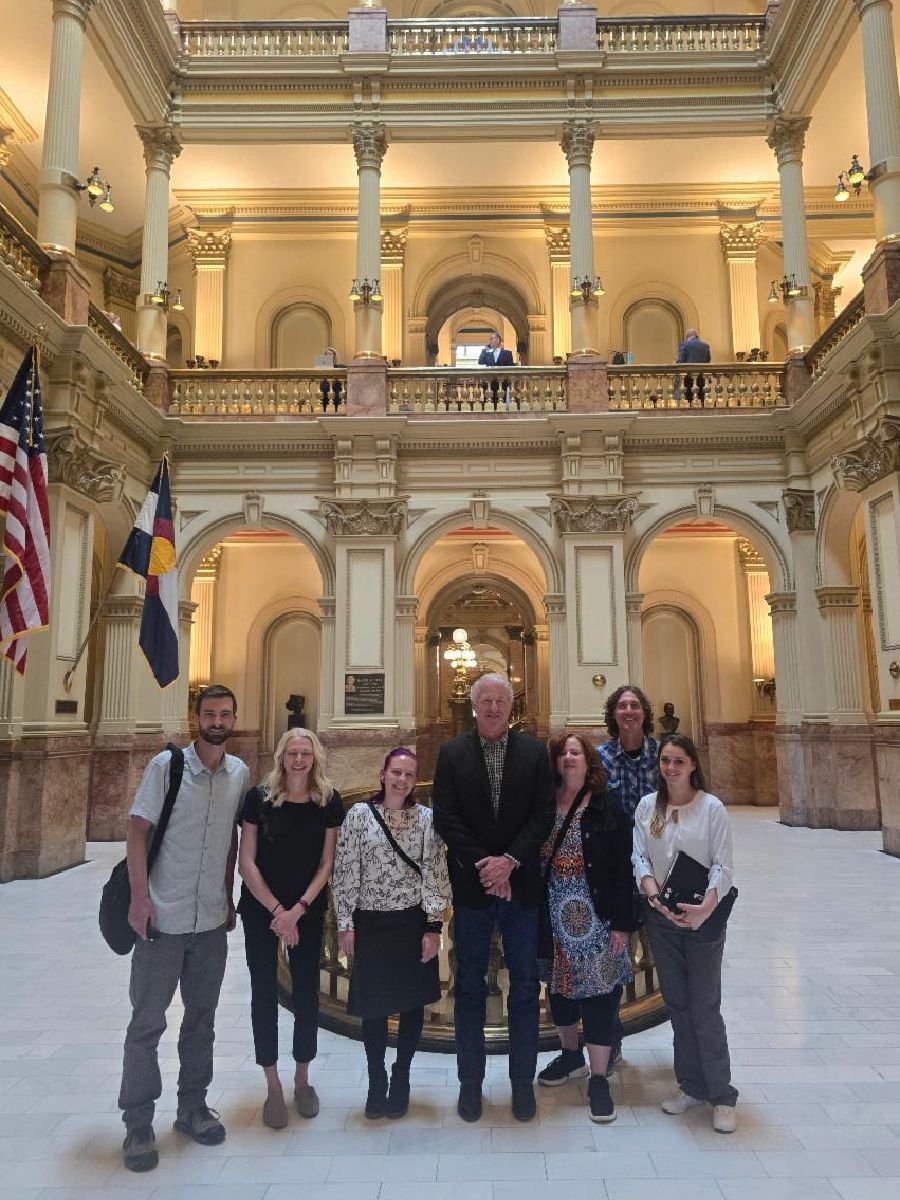
A Day of Advocacy: Inside CWMA Day at the Capitol
On April 21, members of the CWMA Legislative Committee visited the Colorado State Capitol to experience the legislative process firsthand and engage with policymakers about the importance of our work. The group had the opportunity to observe floor debates in both the House and Senate, gaining insight into how decisions are made and how legislation moves forward.
As part of the visit, attendees also participated in a brief training focused on effective communication with legislators, particularly in the fast-paced environment of the House and Senate chambers. This provided practical guidance on how to clearly and respectfully share information about weed management and advocate for our industry.
The day offered a valuable opportunity to strengthen connections, build confidence in engaging with elected officials, and better understand how CWMA members can play a role in shaping policy that impacts weed management across Colorado.
CWMA Bill Tracker
To help you stay engaged, you can follow all bills in real time using CWMA’s Legislative Bill Tracker.
As these bills move through committees and onto the floor, it’s essential that Colorado legislators continue hearing from the practitioners who manage invasive species, restore habitat, and protect working lands every day. We encourage all CWMA members to review the updates below and take action where appropriate. Your real‑world expertise ensures that decisions are grounded in practical experience, not public pressure or incomplete information.

Volunteer with us
If you have a passion for environmental conservation, sustainable land management, and combating invasive weed species, this could be a great opportunity for you to get involved and make a positive impact on Colorado’s ecosystems. Whether it’s a few hours or a full day, your time and talents can help lift others up and move a mission forward. Sign up to help us make meaningful change.